
What does Medicare Part A and Part B cover?
Part A pays for hospital stays. Part B pays for doctor visits and tests. Here is what each one covers, what you still pay, and what neither one touches.
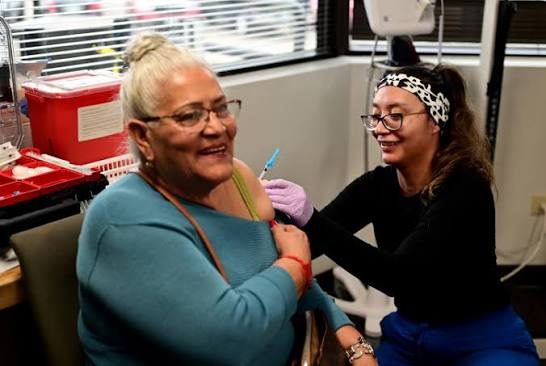
- Part A pays for hospital stays, short term nursing care after a hospital stay, hospice and some home health care.
- Part B pays for doctor visits, tests, scans, outpatient care and medical equipment. After a yearly deductible, Medicare pays 80 percent of most bills and you pay 20 percent with no upper limit.
- Medicare does not pay for routine dental, glasses, hearing aids, long term nursing home care, or most care outside the United States.
Part A pays for hospital stays, skilled nursing care (nursing and therapy while you recover) after a qualifying hospital stay, hospice, and some home health care. Part B pays for doctor visits, outpatient care (care where you are not admitted to the hospital), lab work, scans, medical equipment and preventive services. Together they are called Original Medicare.
The coverage is broad, but it comes with specific rules about when something is paid for.
What Part A pays for
- A hospital stay when you are admitted as an inpatient, including your room, meals, nursing and the drugs given to you while you are there.
- Care in a skilled nursing facility, a place where nurses and therapists help you recover, but only after a qualifying hospital stay and only for a limited number of days.
- Hospice care, comfort care when an illness is terminal. It is one of the most generous benefits in the program.
- Some home health care, when you cannot leave home and a doctor certifies that you need skilled care.
- Inpatient care in a religious non medical health care institution.
Part A has a deductible, the amount you pay yourself before Medicare starts paying. It is charged per benefit period, not per year. A benefit period ends once you have been out of the hospital and out of skilled nursing for 60 days in a row. Two separate hospital stays in one year can mean paying that deductible twice.
What Part B pays for
- Doctor visits, both your regular doctor and specialists.
- Outpatient surgery and same day procedures.
- Lab work, blood tests, X-rays, MRIs and CT scans.
- Emergency room and urgent care visits.
- Durable medical equipment, the gear you use at home: wheelchairs, walkers, hospital beds, oxygen, CPAP machines and diabetic testing supplies.
- Physical, occupational and speech therapy.
- An ambulance, when any other way of getting there would put your health at risk.
- Mental health care, including counseling as an outpatient.
- Some drugs given in a clinic, like infusions and shots you cannot give yourself.
Preventive care, at no cost to you
Preventive care means the screenings and vaccines meant to catch problems early. Part B pays for a long list of them at no cost to you, as long as the doctor accepts Medicare assignment (takes Medicare's approved amount as full payment). Medicare lists every covered screening on medicare.gov.
- A yearly wellness visit.
- Flu, pneumonia (pneumococcal), COVID and hepatitis B vaccines.
- Heart disease and diabetes screening.
- Mammograms, colon cancer screening and prostate screening.
- Bone density tests, depression screening and weight counseling.
The yearly wellness visit is a planning visit to go over your medications and health risks, not a physical exam. People book it expecting an exam and are surprised. Ask what kind of visit you are scheduling.
The 20 percent you pay under Part B
Part B has a yearly deductible, the amount you pay before Medicare starts paying. After you meet it, Medicare pays 80 percent of the approved amount for most services and you pay the other 20 percent. That 20 percent is called coinsurance, and there is no cap on it. A $20,000 outpatient surgery bill leaves you with $4,000. See how a supplement covers the 20 percent.
That open ended 20 percent is the reason supplements and Advantage plans exist. A supplement is a policy that pays your share of what Medicare covers. See how the four parts fit together.
What Original Medicare does not cover
- Routine dental care and dentures, most vision care and eyeglasses, and hearing aids and the exams to fit them. Medicare explains the narrow dental exceptions on medicare.gov.
- Long term custodial care, which means help with bathing, dressing and daily living.
- Most care you receive outside the United States.
- Cosmetic surgery, routine foot care, and acupuncture beyond a limited benefit for long term back pain.
- Prescriptions you fill at a pharmacy, which is what Part D is for.
Medicare Advantage plans fill some of these gaps with extra benefits. See the dental, vision and hearing question for what is realistic.
If you are about to join Medicare, the next step is deciding how to cover that 20 percent, with a supplement or with an Advantage plan. Call our McAllen office at (956) 687 3334, or enter your ZIP code in the plan pricing box on this page.
Common follow-up questions
Does Medicare cover an annual physical?
Not the head to toe physical you may be used to. Medicare covers a Welcome to Medicare visit in your first year and a yearly wellness visit after that. Both are planning visits, not exams.
Is skilled nursing the same as a nursing home?
No, and mixing them up gets expensive. Medicare pays for skilled nursing, the short term rehab you get after a hospital stay, for a limited number of days. It does not pay for living long term in a nursing home.
Does Medicare cover me in Mexico?
Generally no. Original Medicare stops at the border, with a few very narrow exceptions. That matters here in South Texas, so ask before you travel.
Want this looked at properly?
We are an independent agency in McAllen serving Hidalgo, Cameron and Starr counties. There is no obligation to talk it through.
Call (956) 687 3334Read next
Medicare Annual Enrollment in South Texas: dates and rules
Medicare

Gerino Alejos
Licensed insurance agent · License 3128710 · NPN 18243381
Owner of McAllen Insurance Group, an independent agency on North 10th Street in McAllen. Works with clients across Hidalgo, Cameron and Starr counties on Medicare, Marketplace health, life and auto coverage. Se habla español.