
When does a fleet policy make sense?
Where the fleet threshold usually sits, how the pricing changes, and the safety practices that lower a multi truck premium.
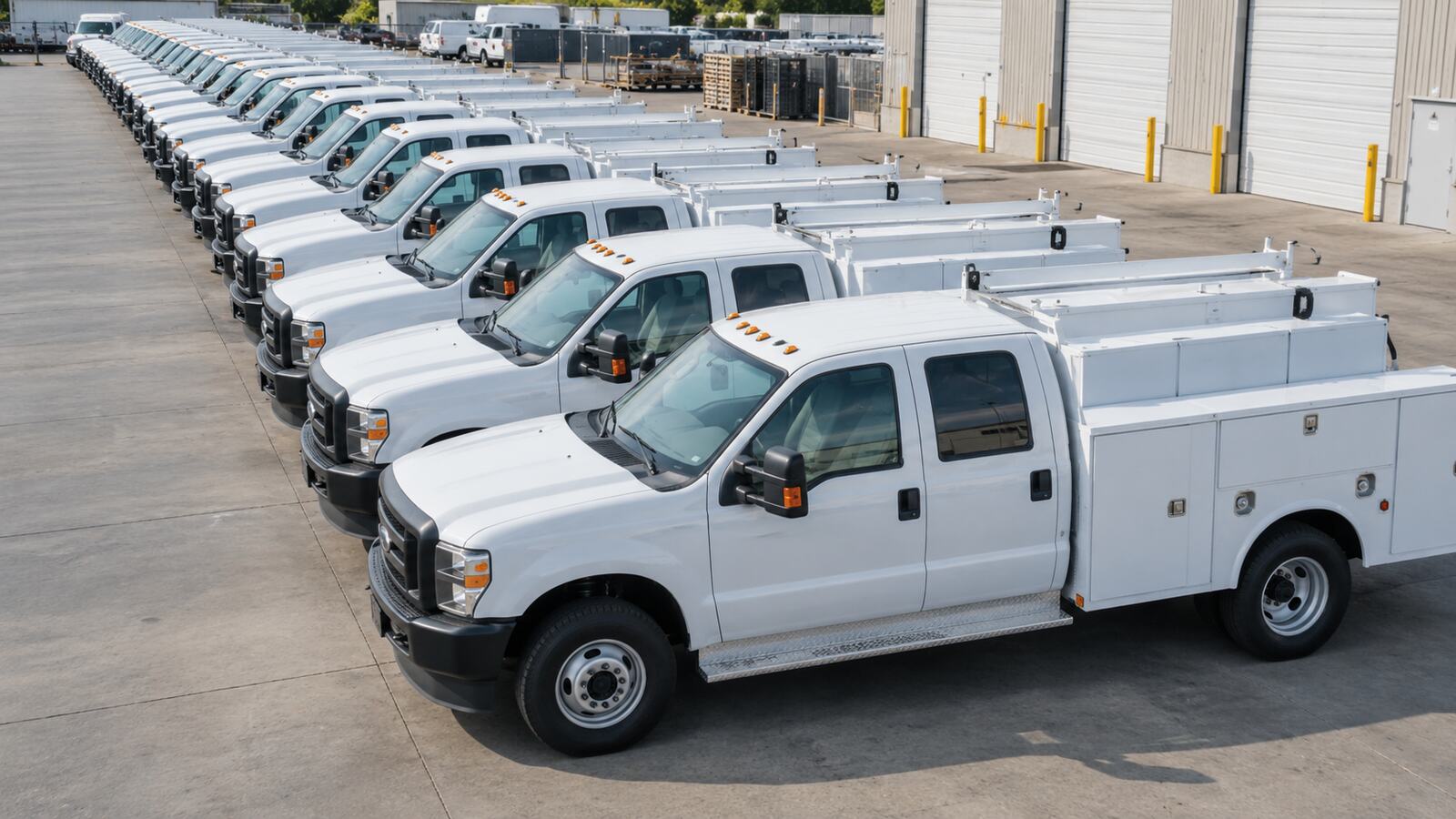
- Most carriers treat five or more trucks as a fleet, some use ten. What changes is how the policy is priced and managed, not what it covers.
- Loss experience is the lever. A ten truck operation with three years of clean loss runs can be priced meaningfully better than the same operation with two at fault accidents.
- Below the carrier's threshold, or when the trucks are used very differently, separate policies sometimes price better. Quote it both ways.
A fleet policy becomes an option at around five trucks, and what changes is the pricing and the paperwork, not the coverage. Fleet is not a magic word. Most carriers treat five or more trucks as a fleet, some use ten.
What changes at fleet size
- Pricing shifts toward your own loss experience, your record of claims, rather than industry averages. That rewards a clean history and punishes a bad one
- Blanket coverage for newly bought trucks, usually with 30 to 90 days to report them
- One bill and one renewal date instead of chasing separate policies
- Experience based adjustments at some carriers, where your own claims history moves the rate
- Access to loss control services, including driver training and telematics programs. Telematics are devices that record how a truck is driven
The administrative benefit is real
Adding a truck mid term without a new policy. One renewal to manage. One certificate process. For a growing business, that is worth something on its own.
What a fleet policy does not change
The coverages are the same ones a single truck carries: liability, physical damage, hired and non owned auto, cargo where it applies, and the filings your operation needs. A fleet policy changes how they are priced and managed, not what they cover. The same questions about radius, drivers and what you haul still decide the premium.
Where fleets save money
Loss experience is the lever. A ten truck operation with three years of clean loss runs can be priced meaningfully better than the same operation with two at fault accidents. That is why spending on loss control pays back at fleet size in a way it does not on a single truck.
- Telematics and dash cameras, which several carriers credit directly and which settle disputed liability
- A written safety program with training records
- Driving record reviews every year. See how to run the driver list.
- Preventive maintenance files
- A clear phone use and distracted driving policy
Higher deductibles start to work
With more trucks, small losses become predictable. Many fleets take a higher physical damage deductible, the part of a repair they pay themselves, and absorb the fender benders. They use the policy for the losses that matter. Ask us to quote your renewal at two or three deductible levels so you can see the trade. See how deductibles and downtime coverage interact on work trucks.
When to stay on individual policies
Below the carrier's threshold, or when the trucks are used very differently, separate policies sometimes price better. Quote it both ways rather than assuming one policy wins. See what drives commercial auto pricing before deciding.
We will quote it both ways
Send your truck list, driver list and five years of loss runs. Use the commercial quote form on this page, or call our McAllen office at (956) 687 3334. Se habla español.
Common follow-up questions
How many vehicles make a fleet?
Most carriers say five, some say ten. It varies, and it is worth asking where the line sits for the carriers we quote.
Do all vehicles have to be the same type?
No. A fleet policy can list pickups, box trucks and trailers together, each priced by class.
Will one bad claim ruin fleet pricing?
It affects it for three to five years. Loss control is what shortens that recovery.

Commercial auto quote. Eight quick questions, then a licensed agent in McAllen calls you with the number.
What do you drive for work?
Pick the closest one. Your agent will sort out the details.
How many trucks?
Count every vehicle the business uses, including one you own personally.
What is the work?
Welder, landscaper, produce hauling, deliveries. A few words is enough.
Does a customer or general contractor need a certificate from you?
Many contracts ask for a one million dollar limit. If you have the requirement in writing, keep it handy for the call.
Do you have a USDOT number?
Needed for crossing state lines in a truck over 10,000 pounds. Not sure is a fine answer.
Who are we quoting?
So your agent knows who they are calling.
Where should we call you?
One call with your quote. No robocalls, no list selling.
Want a copy by email?
Optional. It means you have the numbers in writing after the call.
By pressing “Get my quote” you agree a licensed McAllen Insurance Group agent may contact you by phone, text or email at the details you provide, including by automated dialing. Consent is not required to buy. This is a request for a quote, not an application, and not an offer of coverage.
Getting your request to an agent
We have your request
An agent will call you with the quote. Have your registration and any contract requirements nearby. If you would rather not wait, call us now.
Call (956) 687 3334Monday to Friday, 9 AM to 6 PM. Se habla español.
Read next
Do I need commercial auto insurance?
Commercial Auto · 4 min read

Gerino Alejos
Licensed insurance agent · License 3128710 · NPN 18243381
Owner of McAllen Insurance Group, an independent agency on North 10th Street in McAllen. Works with clients across Hidalgo, Cameron and Starr counties on Medicare, Marketplace health, life and auto coverage. Se habla español.