What is the Medicare donut hole?
The donut hole was a gap in the middle of the drug plan year. It is gone now, and a yearly limit on what you pay took its place.
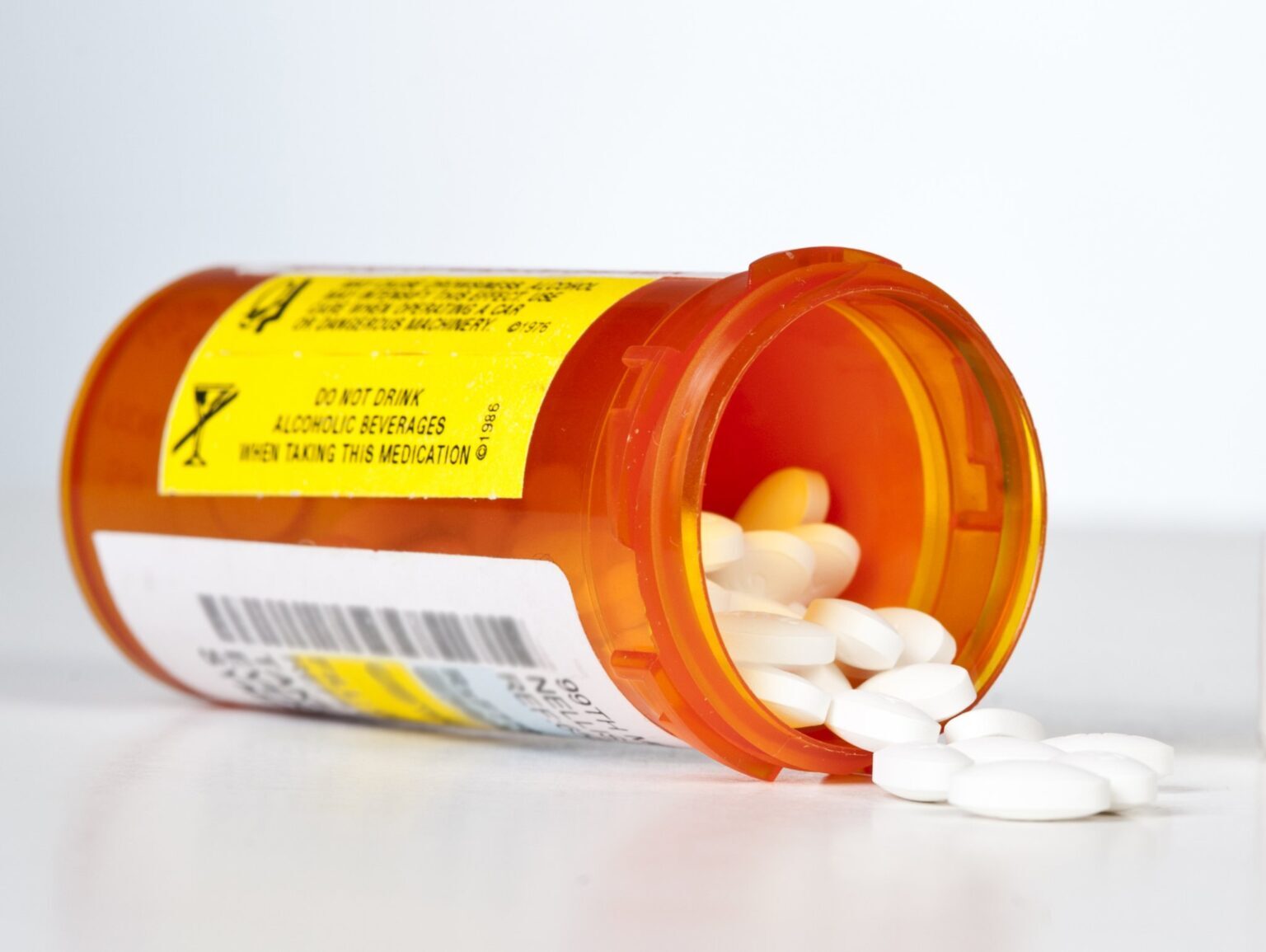
- The donut hole was a coverage gap in the middle of the Part D year, and it is gone.
- In its place there is a yearly limit on what you pay out of your own pocket for covered drugs.
- Once you reach that limit, your covered prescriptions cost you nothing for the rest of the calendar year.
The donut hole was a gap in the middle of the Part D drug plan year. For a stretch of months, you paid a much larger share of the price yourself. That gap is gone, and a yearly limit on your own drug spending took its place.
How the donut hole used to work
A Part D year moved through phases, and your share changed at each one. First came the deductible, the amount you pay yourself before the plan starts paying. Then came initial coverage, where you paid a copay, a set dollar amount for each prescription.
Once the total spending on your drugs passed a set point, you fell into the coverage gap and paid much more per fill. When your own spending passed a second, higher point, you reached the last phase and your costs dropped again.
The gap in the middle was the donut hole. People on costly medicine often landed in it around midyear and saw the pharmacy price jump, with no warning.
What replaced it: the annual cap
The gap is gone. There is now a firm yearly limit, a cap, on what you pay out of pocket for covered drugs. Out of pocket means money from your own wallet.
Once your spending reaches that cap, your covered prescriptions cost you nothing for the rest of the calendar year. If you take a costly medicine, that changes the math on choices you made under the old rules. See how the cap works.
Why you still hear the term
People who lived through the donut hole still use the phrase, and some plan paperwork and older articles still describe the old phases.
If someone tells you to watch out for the donut hole, they are describing a structure that no longer applies. The one to understand now is the yearly cap.
If you picked a plan, or skipped a costly medicine, because of the donut hole, you decided under rules that no longer exist. Run the numbers again.
What still varies through the year
Your drug costs are still not flat from January to December.
- Early in the year you may be paying toward the deductible, so the first fills can cost more.
- After that you pay a copay, a set amount, or coinsurance, a share of the price, based on your drug's tier. A tier is the price group the plan puts each drug in.
- Once you reach the yearly cap, covered drugs cost you nothing for the rest of the year.
So a medicine that costs one amount in February and another in October is normal. It does not mean anything went wrong.
Spreading the cost across the year
You can now ask to pay your share of drug costs in equal monthly amounts instead of all at once at the counter. For someone facing a large bill in January, that helps. It spreads the same total over twelve payments.
It does not lower what you pay. It changes when you pay it. Ask your plan about it if a big cost early in the year would be hard to cover.
Ask your plan which phase of the year you are in, and see the full Part D cost breakdown. To go through your own drug list with us, call our McAllen office at (956) 687 3334, or enter your ZIP code in the plan pricing box on this page.
Common follow-up questions
Does the donut hole still exist?
No. The coverage gap is gone. A yearly limit on what you pay out of pocket for covered drugs took its place.
What happens after I hit the cap?
Your covered prescriptions cost you nothing for the rest of the calendar year. The count starts over each January.
Why do my drug costs change during the year?
Usually the deductible early in the year, then copays based on your drug's tier, then nothing once you reach the yearly cap.
Want this looked at properly?
We are an independent agency in McAllen serving Hidalgo, Cameron and Starr counties. There is no obligation to talk it through.
Call (956) 687 3334Read next
What is Medicare Part D?
Part D

Gerino Alejos
Licensed insurance agent · License 3128710 · NPN 18243381
Owner of McAllen Insurance Group, an independent agency on North 10th Street in McAllen. Works with clients across Hidalgo, Cameron and Starr counties on Medicare, Marketplace health, life and auto coverage. Se habla español.