
How much does Medicare Part D cost per month?
Part D cost is made of four pieces. The monthly premium is only one of them, and usually the smallest if you take medication every month.
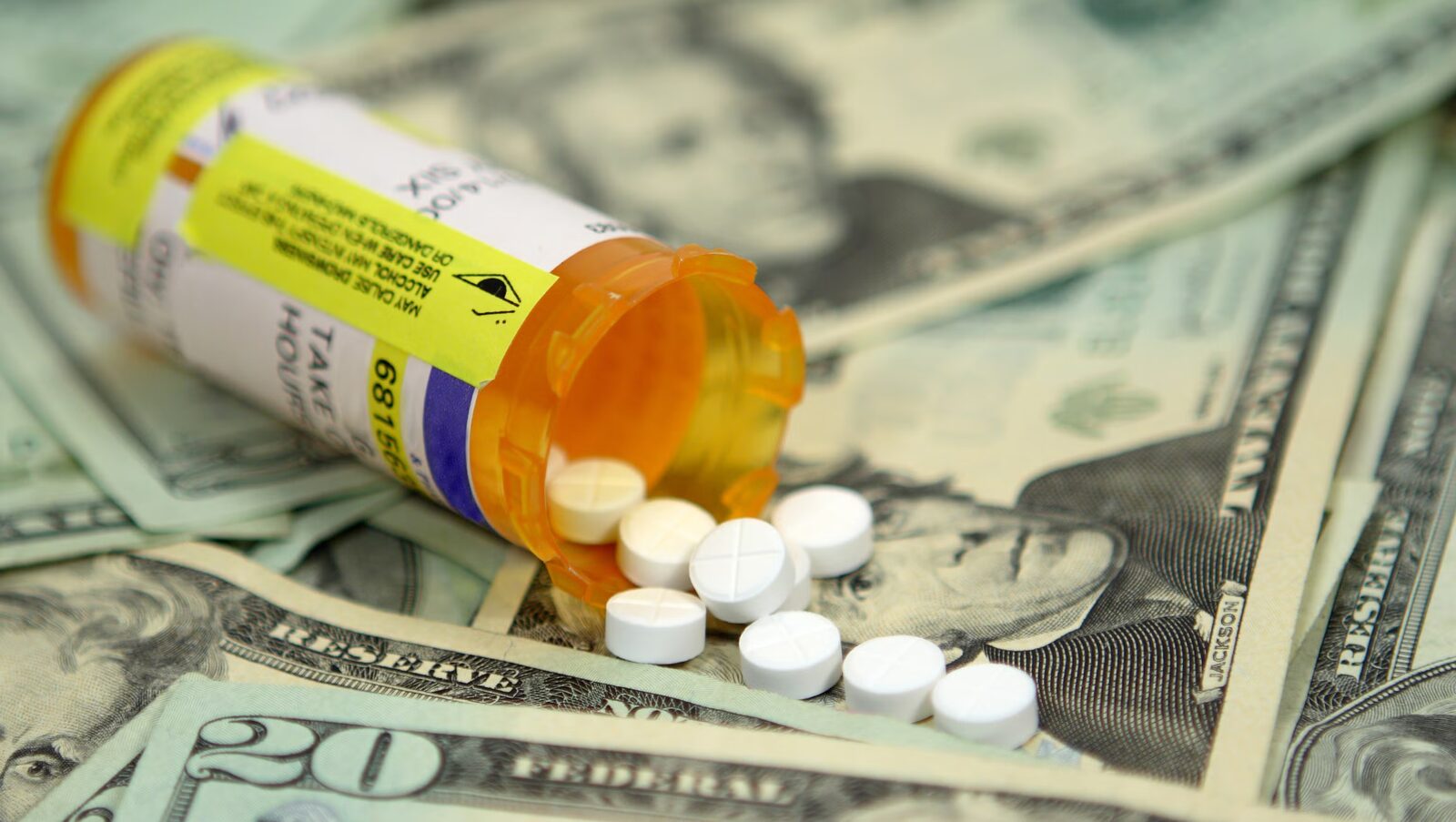
- What you pay for Part D is made of four pieces, and the monthly premium is usually the smallest of them.
- The same drug can cost more at one pharmacy than another, because plans charge less at the ones they prefer.
- Sort plans by what they cost you for the whole year, not by the premium on the brochure.
There is no one price for Part D, the part of Medicare that pays toward prescription drugs. What you pay is made of four pieces, and the monthly premium, the monthly bill for the coverage, is usually the smallest.
1. The monthly premium
Each plan sets its own premium, and they vary a lot. A low premium usually comes with a trade.
Such a plan tends to cover a shorter list of drugs, called the formulary. It may charge a higher deductible, or more at a pharmacy it does not prefer.
If your income is above a set level, you also pay a Part D surcharge called IRMAA. It is billed apart from your plan premium, usually taken from your Social Security payment. See how IRMAA works.
2. The annual deductible
A deductible is the amount you pay yourself each year before the plan starts sharing the cost. Medicare caps what a plan can charge, and many charge less than that or nothing.
Many plans apply the deductible only to the higher priced tiers. Generic drugs are covered from your first fill, while brand name drugs wait. That detail matters more than the size of the deductible. See how deductibles work in Part D.
3. Copays and coinsurance by tier
After the deductible, what you pay depends on the tier each drug sits on. A tier is a price group, and every plan sorts the drugs it covers into a few of them.
- Preferred generics, the tier that costs you the least
- Generics
- Preferred brand name drugs
- Non preferred drugs
- Specialty drugs, usually a share of the price rather than a flat amount
A copay is a flat dollar amount you hand over at the counter. Coinsurance is a share of the price, figured as a percentage, and it is the one to watch. A share of a high priced drug lands very differently than a flat copay. See how tiers work.
4. Your pharmacy
Most plans have preferred pharmacies, where your copay is lower, and standard pharmacies, where it is higher. Same plan, same drug, different price depending on where you fill it.
Mail order is often lower still for medication you take every month. That is worth a few hundred dollars a year to some people, nothing to others.
The annual out of pocket cap
Out of pocket means what comes from you, not from the plan. Once your out of pocket spending on covered drugs hits the yearly limit, your covered prescriptions cost you nothing for the rest of the year.
If you take an expensive medication, that limit shapes your year. See the out of pocket cap and what happened to the donut hole.
How to work out your real cost
- List every medication you take, with the dose and the amount you get each fill.
- Enter them in the Plan Finder at Medicare.gov with your ZIP code and your pharmacy.
- Sort the results by what they cost you for the whole year, not by premium.
- Check the top few for prior authorization (the plan must okay a drug first) and step therapy (you try another drug first).
- Compare the plan that wins against filling the same drugs by mail.
A plan with a higher premium often costs less over a year. The premium is the number on the brochure. The total for the year is what leaves your account.
Extra Help with the cost
Extra Help is a federal program that lowers what people with limited income and savings pay for premiums, deductibles and copays. The limits are higher than most people assume, and many who qualify in South Texas never apply. See Extra Help.
The deductible limit and the out of pocket cap reset each January. Look them up at Medicare.gov, or bring us your medication list and we will price it with you. Call our McAllen office at (956) 687 3334, or use the ZIP form on this page.
Common follow-up questions
Why is my Part D premium higher than the plan advertised?
Usually an IRMAA surcharge, an extra amount based on the income you reported two years ago. It can also be a late enrollment penalty. Both are added on top of the plan's premium.
Is the cheapest premium the cheapest plan?
Rarely, if you take regular medication. Which drugs a plan covers, and what tier it puts them on, usually matters more than the premium.
Do I pay the deductible on every drug?
Not always. Many plans leave the generic tiers out of the deductible, so those drugs are covered from your first fill.
Want this looked at properly?
We are an independent agency in McAllen serving Hidalgo, Cameron and Starr counties. There is no obligation to talk it through.
Call (956) 687 3334Read next
What is Medicare Part D?
Part D

Gerino Alejos
Licensed insurance agent · License 3128710 · NPN 18243381
Owner of McAllen Insurance Group, an independent agency on North 10th Street in McAllen. Works with clients across Hidalgo, Cameron and Starr counties on Medicare, Marketplace health, life and auto coverage. Se habla español.